
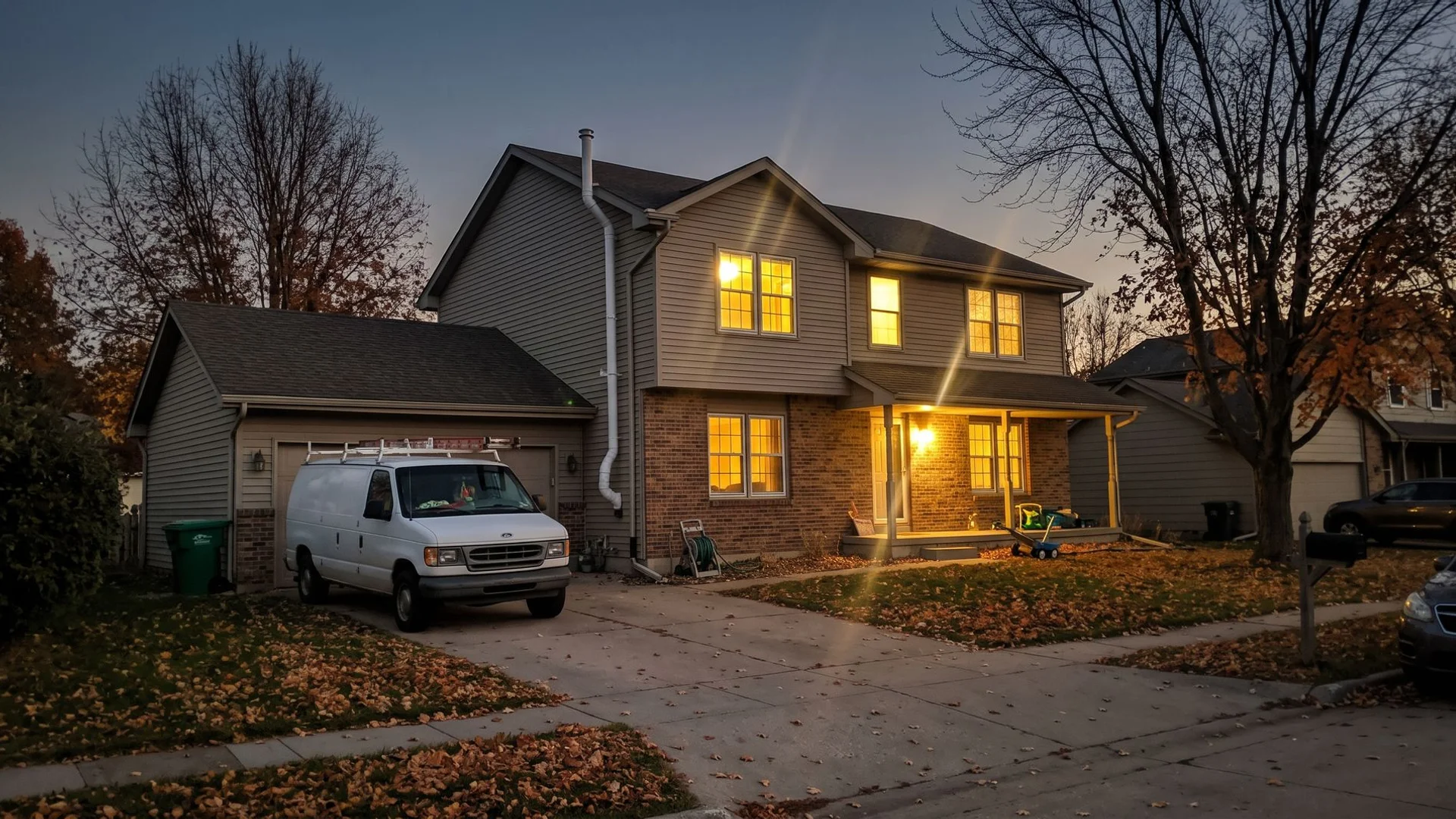
Radon Mitigation in Des Moines TESTED.
MITIGATED.
VERIFIED.
Iowa HHS-credentialed radon testing and mitigation for the Des Moines metro, backed by a 5-year warranty and 24-hour support.
24/7 support: (515) 218-7447
- Iowa HHS Credentialed
- NRPP / NRSB Certified Techs
- 5-Year Warranty
- 24/7 Support
Why Radon Is a Des Moines Problem
Radon is a colorless, odorless gas that rises from Iowa's glacial soils into homes. You can't see or smell it, so testing is the only way to know your level.
Iowa is EPA Zone 1
Every Iowa county carries the EPA's highest radon rating, and about 71% of Iowa homes test above 4.0 pCi/L. In Des Moines, high radon is the norm, not the exception. A 48-hour test tells you where your home stands.
Second leading cause of lung cancer
Radon is the second leading cause of lung cancer after smoking. Short-term exposure isn't an emergency, but years of breathing it adds up. Lowering a high level is a one-time fix with a long payoff.
Winter stack effect
When your furnace runs, warm air escapes up top and pulls soil gas in through the basement. Frozen ground around the house makes your slab the easy way out for radon. Active systems reverse that pull.
Failed tests stall home sales
A high result during inspection can freeze a closing. We test inside your contingency window and can install and verify a system fast, so the deal stays on track.
Want the science behind it? Read why radon is so high in Iowa, or browse all of our radon guides for Iowa homeowners.
Radon Testing and Reduction for Homes, Schools and Businesses
From a 48-hour test to a multi-suction system for a school wing, one credentialed team handles it.
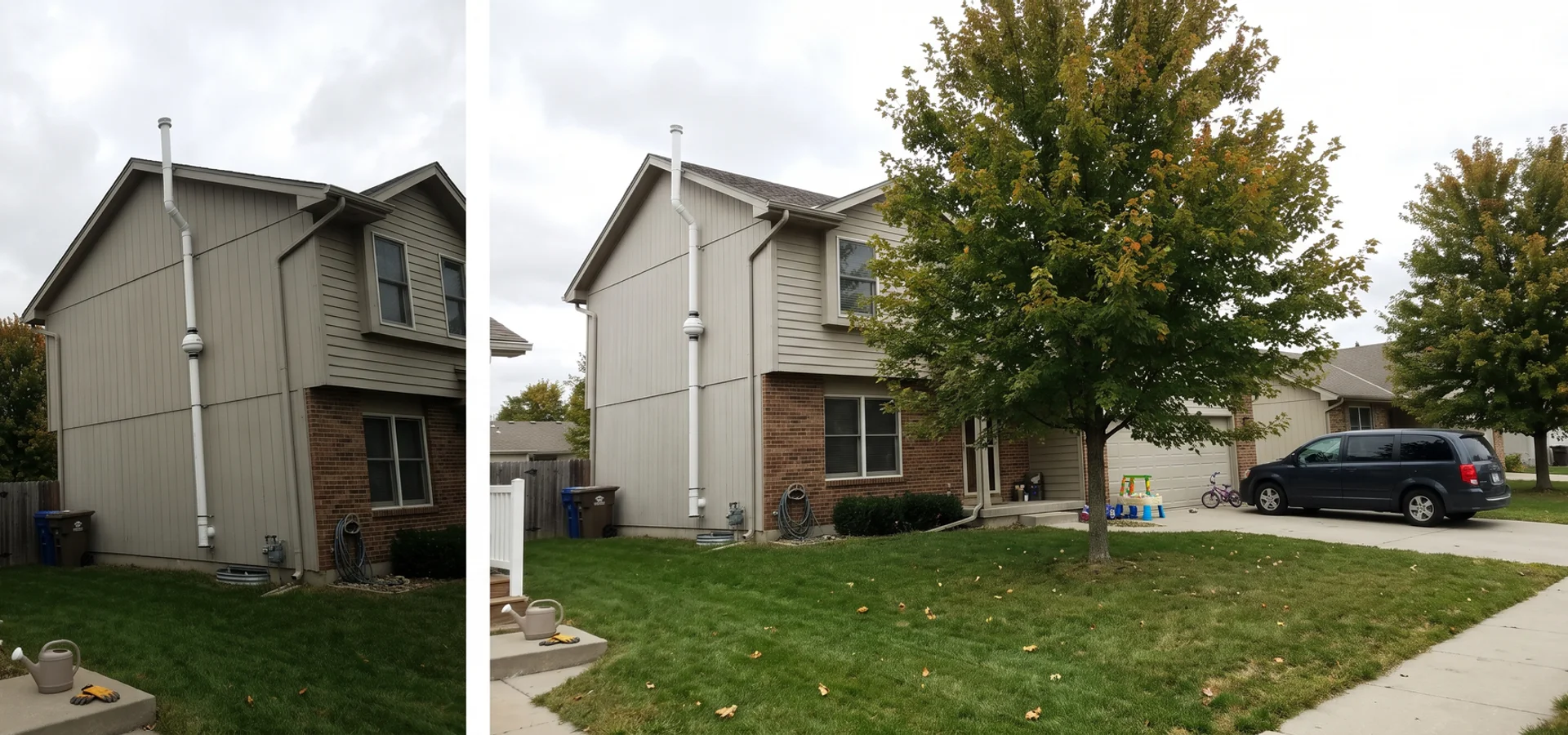
Residential Radon Mitigation
Radon systems matched to your foundation: basement sub-slab, crawlspace, exterior, waterborne and vapor intrusion.
View Service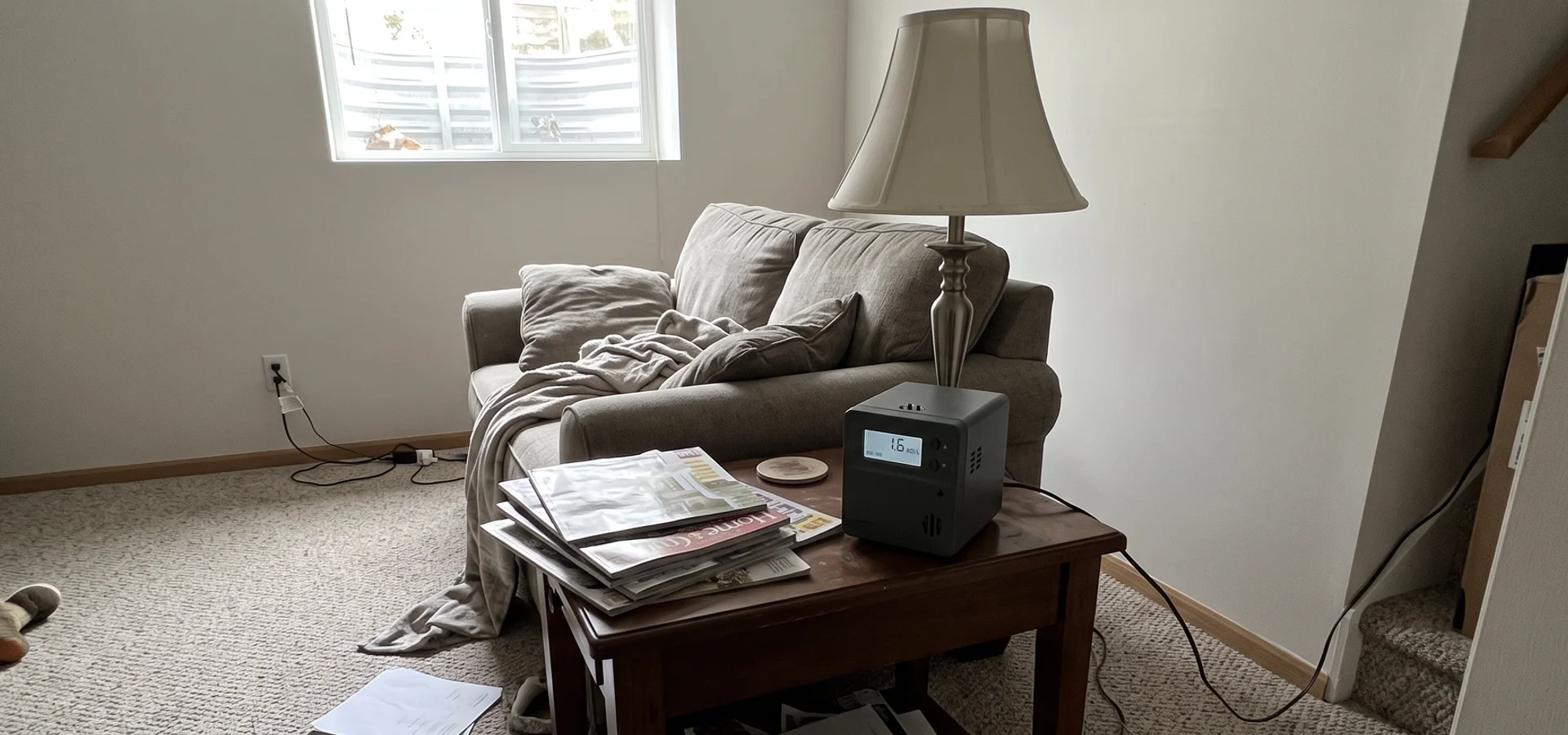
Radon Testing
CRM, short-term, long-term, real estate and post-mitigation radon testing by credentialed testers.
View Service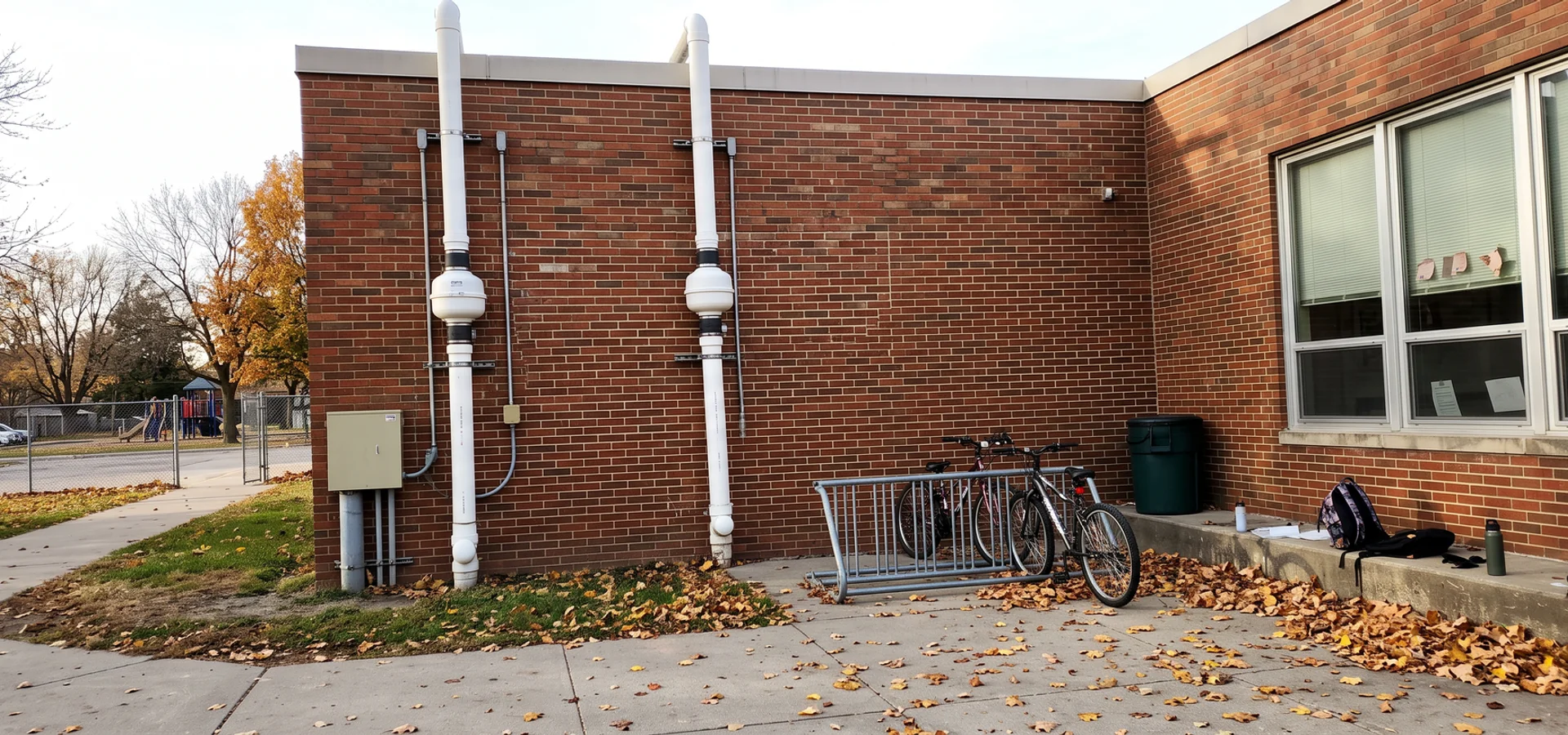
Commercial Radon Systems
Testing and mitigation for schools, HUD multifamily, offices, warehouses and vapor intrusion sites.
View Service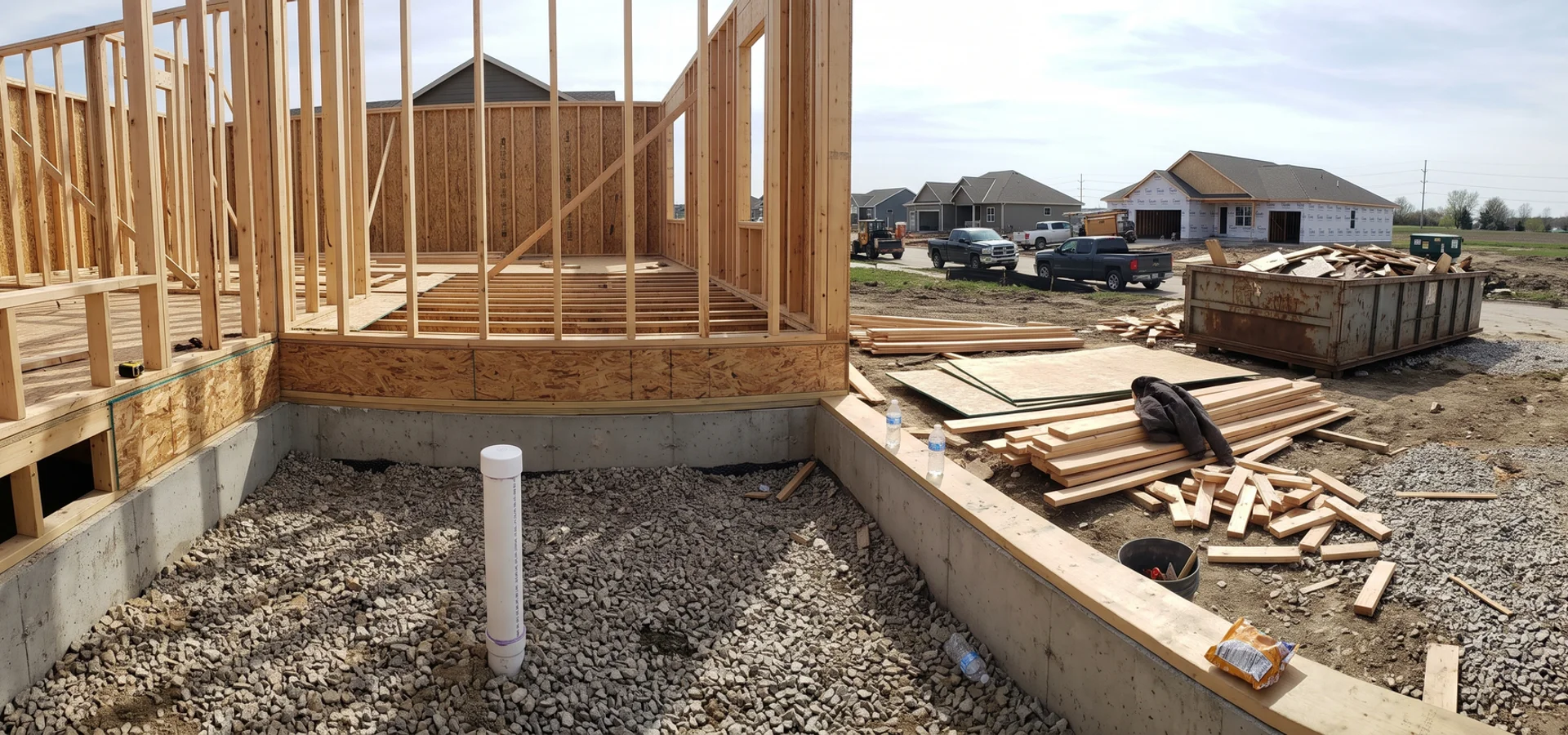
New Construction Radon Systems
Passive system installs for builders, post-construction testing and passive-to-active upgrades.
View Service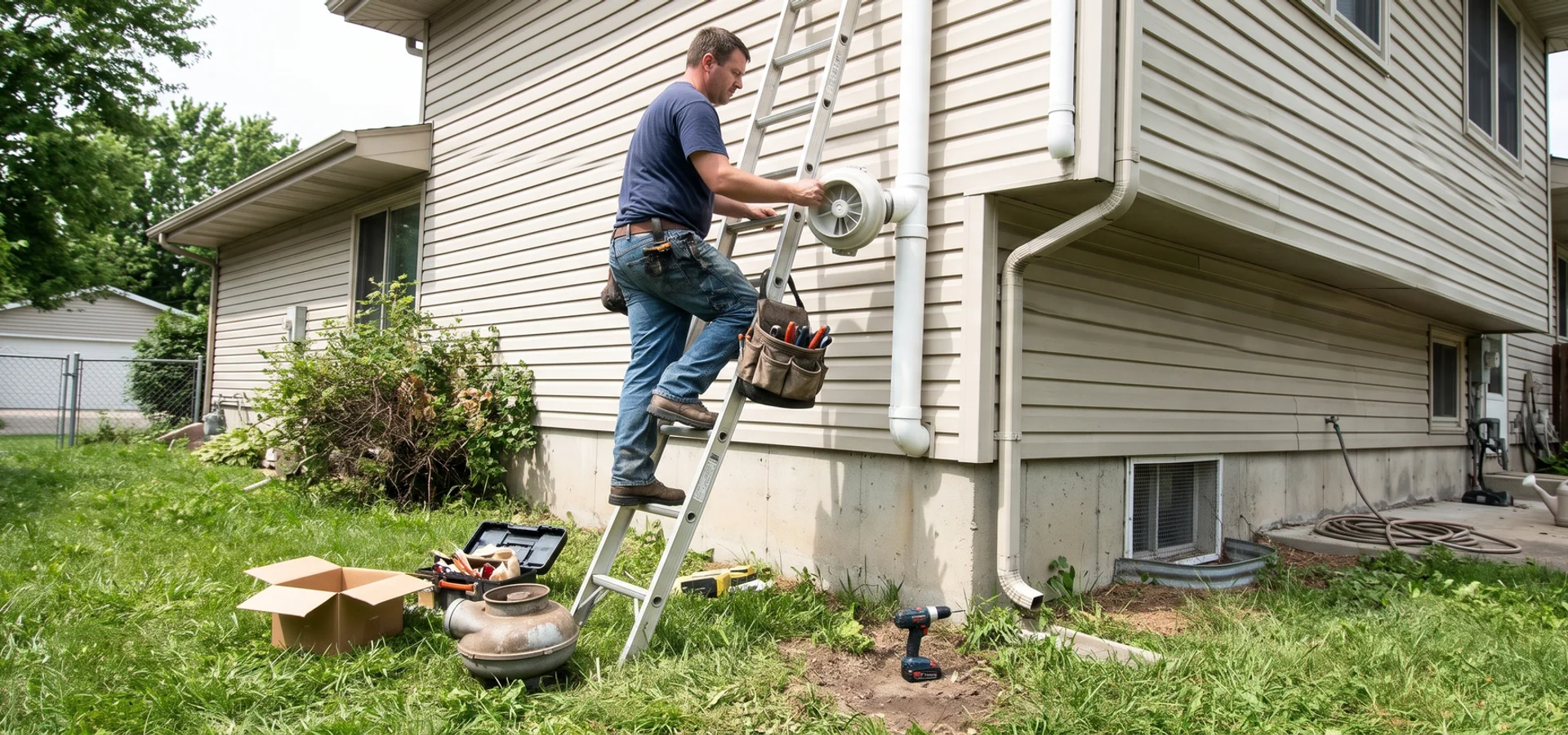
Radon System Maintenance
Error codes, fans, pipes and joints, and inspections for existing radon systems, including ones we didn't install.
View ServiceNot sure which service fits? Tell us your result and foundation type and we'll point you in the right direction.
Request a Quote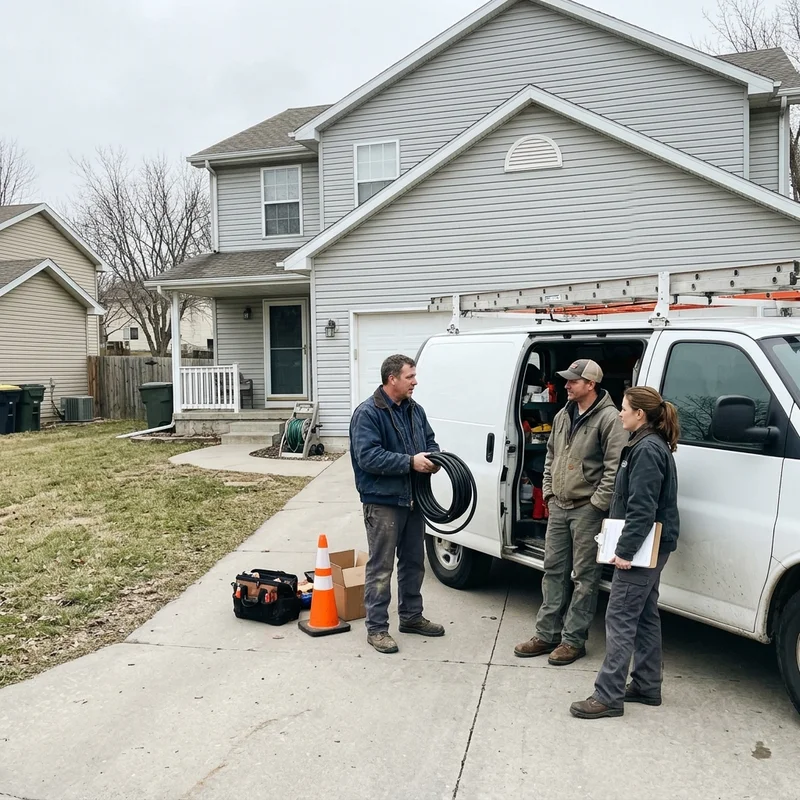
Why Des Moines Homeowners Trust Our Credentialed Radon Crews
"Radon isn't a scare. It's a measurement, and it has a fix."
Since March 2016, we've tested and mitigated homes across Polk County and central Iowa. Our approach is simple: measure first, design for the house in front of us, prove the result with a post-mitigation test, and stand behind the work for five years.
Most homes get active soil depressurization, a fan-driven system that pulls soil gas from under the slab and vents it above the roof. It's the method recommended by the EPA and written into ANSI/AARST standards.
Meet the team24-hour customer support
Book, ask about a result or report a fan alarm any time, day or night. A real person answers and gets you scheduled.
5-year warranty
Every system and install is covered for five years. If a covered system doesn't perform, we come back and adjust it.
Iowa HHS-credentialed techs
Every tech who enters your home holds Iowa HHS radon credentialing plus NRPP, NRSB, CERTI or ICA School training.
Proof with a post-mitigation test
We don't call a job done until a post-mitigation test confirms your level dropped. You get the before-and-after numbers.
Designed for your foundation
Basement, crawlspace, slab, split-level or a mix. We measure and design for your home instead of using one template.
One company, every radon need
Testing, residential, new construction, commercial and maintenance under one roof, so nothing falls between contractors.
How We Lower Indoor Radon Levels, Step by Step
Five steps from first test to warranty. Most single-family homes are finished in one day.
- 01
Test
Start with a valid number. Send your result or book a 48-hour continuous radon monitor test.
- 02
Diagnose & design
We review foundation type, slab sections, sump pits and suction reach, then pick the right system.
- 03
Install
Credentialed techs install active soil depressurization, seal entry points and add a manometer. Most homes take one day.
- 04
Verify
A post-mitigation test, run after the fan has worked at least 24 hours, proves the system lowered your level.
- 05
5-year warranty
Your system and install are covered for five years, with 24/7 support if anything changes.
What Shapes the Price of a Radon System in Central Iowa
We quote each home after reviewing it, because a 900-square-foot ranch and a split-level with a crawlspace need different systems. These six factors decide the price.
Foundation type
A single basement slab is the simplest. Crawlspaces need a sealed membrane, and split-levels can have two or three slabs.
Suction points
Gravel under the slab often needs one. Tight clay, interior footings or extra slabs may need more.
Pipe routing
Interior through a garage or closet into the attic, or exterior up the side of the house.
Fan model
Matched to your soil and pipe run. Bigger isn't better if it just raises your electric bill.
Sealing scope
Floor cracks, the floor-wall joint and an airtight sump lid. Older block walls take more work.
Electrical
Most fans need an outdoor-rated disconnect or dedicated outlet near the fan location.
Every quote includes the post-mitigation test and our 5-year warranty. For more detail, read how much radon mitigation costs in Iowa, or estimate running cost with our radon fan cost calculator.
Already Have a Radon Number? Check It Here
Enter your result in pCi/L to see how it compares to the EPA and WHO levels, and how much a system would need to lower it.
High radon result? Get a fix backed for 5 years.
Send us your number and foundation type. We can often quote without an in-person estimate, and every system is verified with a post-mitigation test and covered by our 5-year warranty.
Reviews From Des Moines Families Who Lowered Their Radon
"Our Beaverdale house tested high during the inspection and the sale was on hold. They got a sub-slab system in quickly, the post-test came back low, and we closed on time."
"Our new build in Waukee came with a passive pipe but still tested above 4. They added the attic fan and manometer in one visit and explained the readings."
"Fan alarm went off on a Sunday night. I called the 24-hour line, got answers right away and a fan replacement booked for Monday."
71% of Iowa Homes Test High.
About 71% of Iowa homes test above the EPA action level of 4.0 pCi/L. That's why we test first, design for your foundation and verify every system with a post-mitigation test.
Serving Des Moines and 25 Nearby Cities
From our base on Franklin Ave, we cover Polk, Dallas, Warren, Story, Jasper, Marion and surrounding counties. Pick your city for local details.
Metro cities
Also serving
- Bondurant
- Polk City
- Adel
- De Soto
- Greenfield
- Indianola
- Carlisle
- Pleasantville
- Ames
- Newton
- Knoxville
- Oskaloosa
- Ottumwa
- Osceola
- Creston
Des Moines neighborhoods
View All Service Areas
Headquarters
4944 Franklin Ave #116, Des Moines, IA 50310
Mon-Fri 8 AM - 6 PM · Sat 8 AM - 2 PM · 24/7 phone support
Radon Guides for Des Moines Homeowners
Radon Testing and Mitigation Questions, Answered
Straight answers to the questions Des Moines homeowners ask us most.
What radon level requires mitigation?
The EPA recommends mitigation at 4.0 pCi/L or higher and suggests considering it between 2.0 and 4.0 pCi/L. The World Health Organization uses 2.7 pCi/L as its reference level. We help you read your result and decide the next step.
Why are radon levels so high in Des Moines?
Iowa is an EPA Zone 1 state, and about 71% of Iowa homes test above 4.0 pCi/L. Glacial soils release radon, and in winter the stack effect in heated homes pulls that soil gas up through the foundation.
How much does radon mitigation cost in Des Moines?
Cost depends on your foundation type, the number of suction points, interior or exterior pipe routing, the fan model and how much sealing is needed. We give a written quote after reviewing your home, and every system includes a 5-year warranty.
Do you offer a warranty on radon systems?
Yes. Every system and install carries a 5-year warranty. If a covered system doesn't perform, we come back and adjust it.
Are your radon technicians licensed in Iowa?
Yes. Every technician who tests or mitigates in your home is credentialed by the Iowa Department of Health and Human Services and carries at least one national training certification: NRPP, NRSB, CERTI or ICA School.
How long does a radon mitigation install take?
Most single-family installs are finished in one day. Homes with crawlspaces, several foundation sections or complex routing can take longer. A post-mitigation test follows to confirm the result.
Can you test fast enough for a home inspection contingency?
Yes. A continuous radon monitor test runs a minimum of 48 hours, and we schedule it to fit inside your inspection period. You get an hourly report that real estate parties accept.
My new home has a passive radon pipe. Is that enough?
Not always. Iowa HF 2297 requires passive systems in new homes, but a passive pipe doesn't guarantee a level below 4.0 pCi/L. Test after move-in. If it's still high, we activate the pipe with an attic fan and manometer.
When must Iowa schools finish radon testing?
Under Iowa HF 2412, every public school attendance center must be tested by July 1, 2027, and buildings above 4.0 pCi/L must install mitigation within two years.
What should I do if my radon fan alarm goes off?
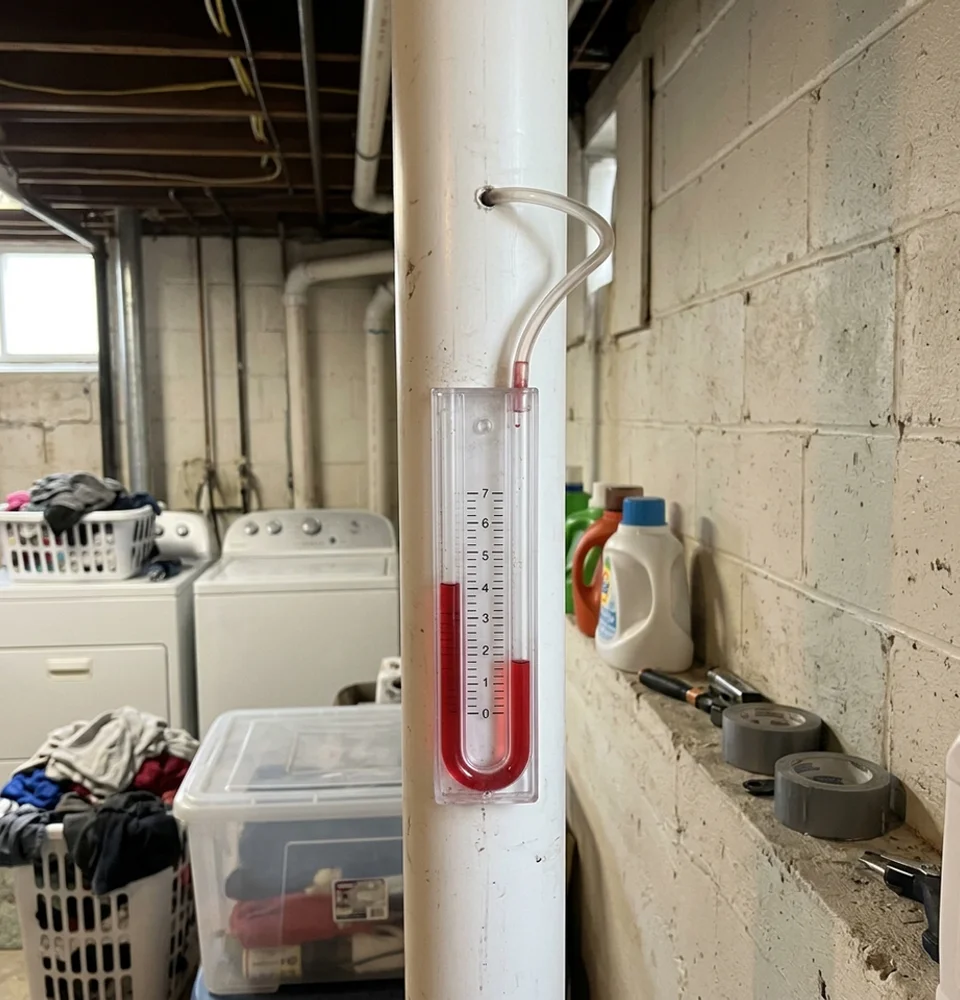
Check that the fan's breaker or outlet is on and look at the manometer. If the liquid levels are even, the system has no suction. Call our 24-hour line and we'll book a repair or fan replacement.
Still have a question?
Our support line answers 24 hours a day, 7 days a week.
24/7 booking & support
Get Your Radon System Quote
Send your result and foundation type. We'll reply within one business day, or call (515) 218-7447 any time. Every system comes with a post-mitigation test and a 5-year warranty.
Thanks, we got your request.
We'll reply within one business day. For anything urgent, call our 24-hour line.